As mentioned in class today, you are to read William Faulkner’s 1931 short story, “That Evening Sun Go Down”:
http://xroads.virginia.edu/~ma01/white/anthology/faulkner.html

As mentioned in class today, you are to read William Faulkner’s 1931 short story, “That Evening Sun Go Down”:
http://xroads.virginia.edu/~ma01/white/anthology/faulkner.html
AP Literature (Barraza)
Fall 2018
Unit: William Faulkner’s “The Bear”
COGs: Centers of Gravity
In response to your reading of William Faulkner’s “The Bear,” you will write a 1-2 page critical response stemming from a chosen passage in the story. You need to be CONCISE: quote what you will discuss, and discuss what you quote.
To begin, quote the portion of text you feel acts as a central moment in the “The Bear,” (I call these COGs, or centers of gravity). You can select your passage from anywhere in the story. A COG might be a sentence or a passage. It should not be too long; however, it should serve to illuminate Faulkner’s intention for the entire story or a major component. You need to cite your passage (using MLA citation), so I can access the whole passage if I need to in reading your work. This should be the header to your paper (the copy I gave you is ten pages long—absent of printed numbers, however).
It helps if you annotate or mark potential COGs that you come across as you read (this was your Thursday night homework; once you have finished the assigned reading and can consider the piece as a whole, choose the section of the story that you feel acts as one of these centers. The passage may reflect a significant theme, have elements of repetition that seem noteworthy, or contain a central image, metaphor or significant discovery around which the rest of the reading develops.
Beneath your quoted COG passage, OBSERVE the elements that shape this COG; consider how the writer’s choices (in language and syntax) shape meaning in this moment of the text. A close reading should never be a summary of the reading or passage or a personal reflection,but should relate specific elements of the piece you have observed and be isolated to the intentions of passage or larger work. (Rules associated with analytical writing apply here.)
You are graded for three elements in a close reading:
I believe, both as a matter of common sense and from my own personal experience, that the discipline of reflecting as you read has the potential to change the quality of attention that you pay to a text, a particular goal of an AP literature class. If you read with the idea that there is something you want to save from your readings, you read differently.
SAMPLE COG:
12 AP COG Sample Story of An Hour
Please complete Faulkner’s “The Bear” and prepare at least two insightful responses to the story in preparation for Thursday’s class: http://www.thomasaquinas.edu/sites/default/files/pdf/alumni/faullkner-the-bear.pdf
Dear Students,
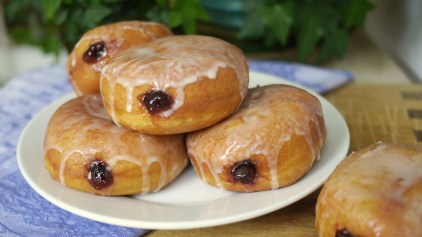
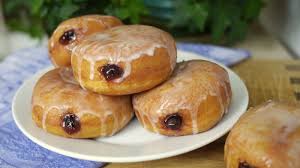
Below is a list of foods/ingredients that surface in the novel. Feel free to make something traditional to New Orleans, or simply use the foods/ingredients to come up with something on your own. Please note that you are not making great amounts of food to feed an entire class. Because there are approximately 33 students in each of the two AP Lit classes, respectively, making a “taste” or “small bite” will be sufficient. The foods listed below are not in any specific order. Nonetheless, here are a few inspiring images followed by a few words written by Ignatius in his journal entitled, The Journal of a Working Boy, or, Up from Sloth: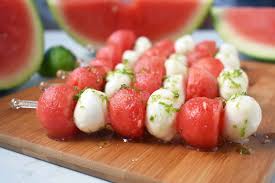


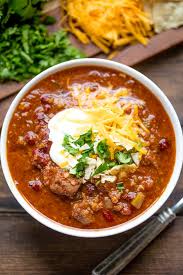

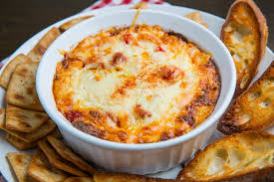

“Personally, I have found that a lack of food and comfort, rather than ennobling the spirit, creates only anxiety within the human psyche and channels all of one’s better impulses only towards the end of procuring something to eat. Even though I do have a Rich Inner Life, I must have some food and comfort also.”
Potato salad
Red beans and rice
Turkey
Ham
Roast
Chili
Seafood (crab)
Figs or fig spread
Cheese dip
Steak
Lobster
Pork & Beans
Cake
Cream puffs
Ice cream
Seven up soda
Coffee with chicory
Brownies
Macaroons
Doughnuts
Pizza (not frozen)
Potato chips (potato, not corn)
Spanish rice
Garlic
Meatballs
Jumbalaya
Peas
Stew
Bread (French)
Bananas
Cashews
Cookies
Olives
Spaghetti
Fried chicken
Vegetable-beef soup
Sausage
BBQ
Watermelon
Eggplant
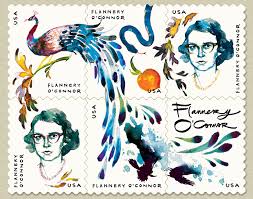
“Good Country People” by Flannery O’Connor (Page 459 in Perrine Book)
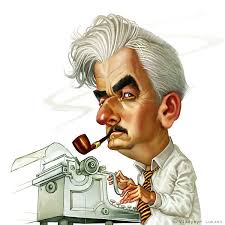
“A Rose For Emily” by William Faulkner (Page 538 in Perrine Book)
PLEASE bring your Perrine book to class on Monday.
Below are a few links you might want to explore before Wednesday:
(Related to food)

http://deepsouthmag.com/2015/10/12/in-the-kitchen-with-ignatius-reilly/
http://www.wwno.org/post/louisiana-eats-ignatius-love-culinary-tribute-confederacy-dunces
(1-Hr Documentary on John Kennedy Toole)
The Omega Point: John Kennedy Toole
Please begin reading the play in class today:
 apstation